







How to Sharpen a Damascus Knife Properly
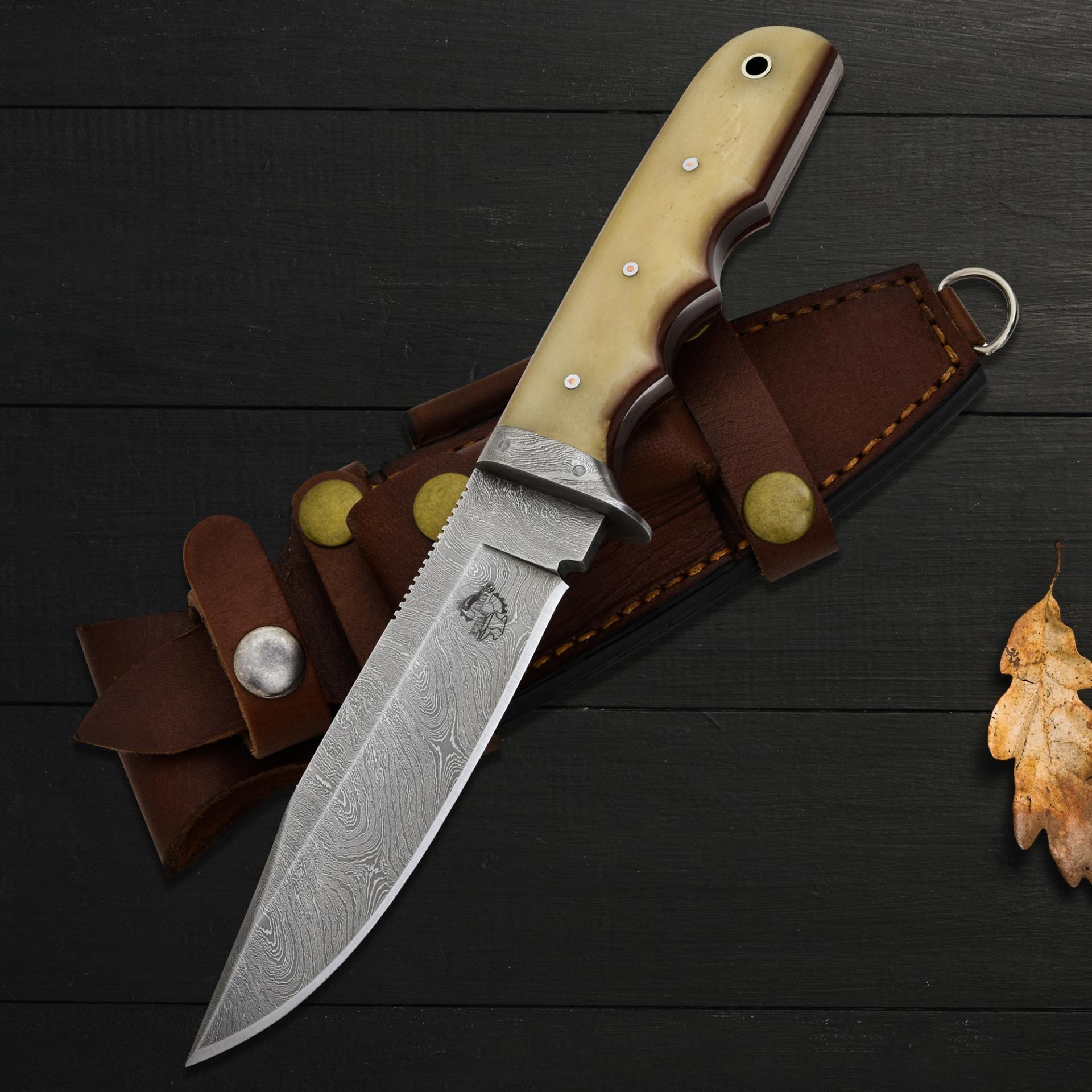
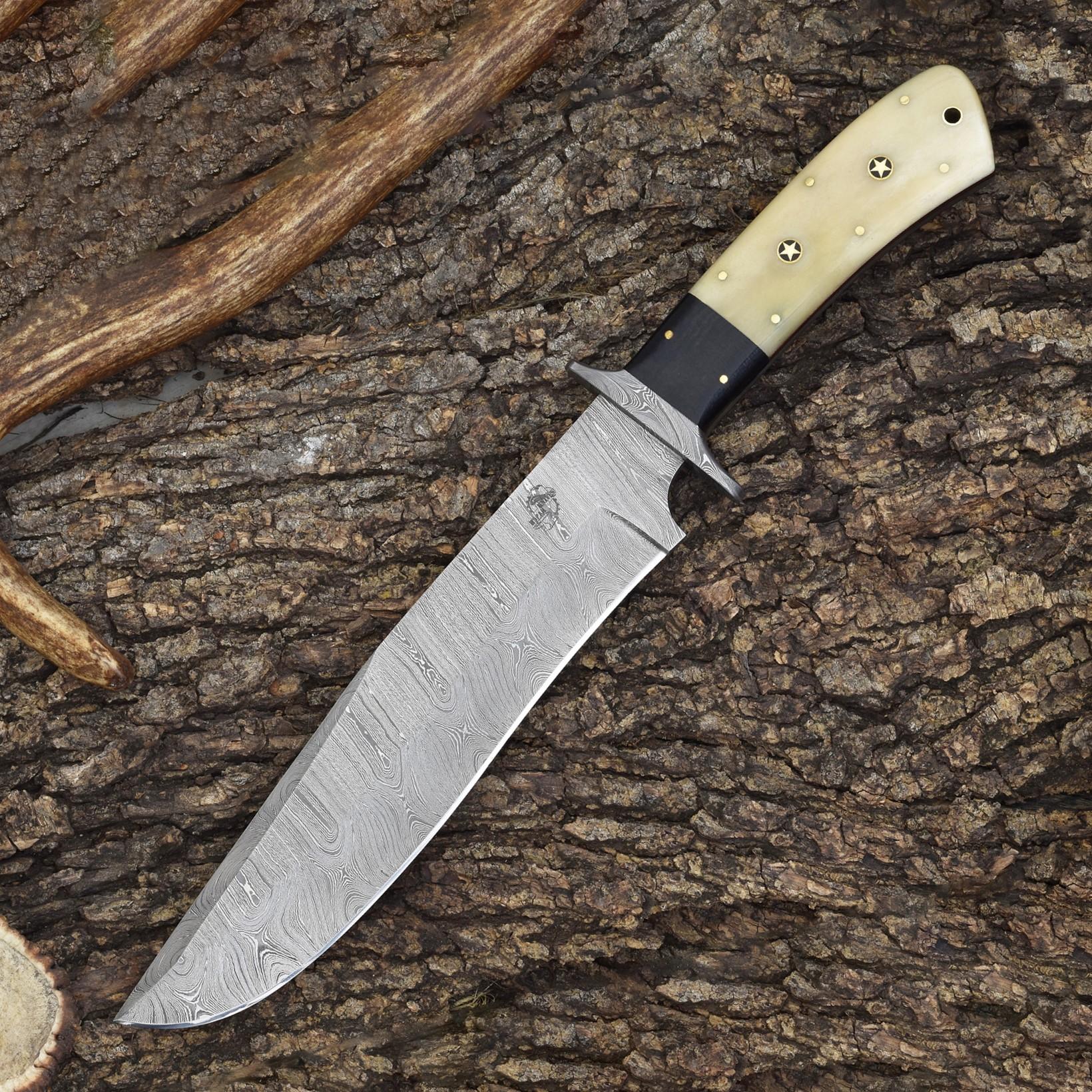
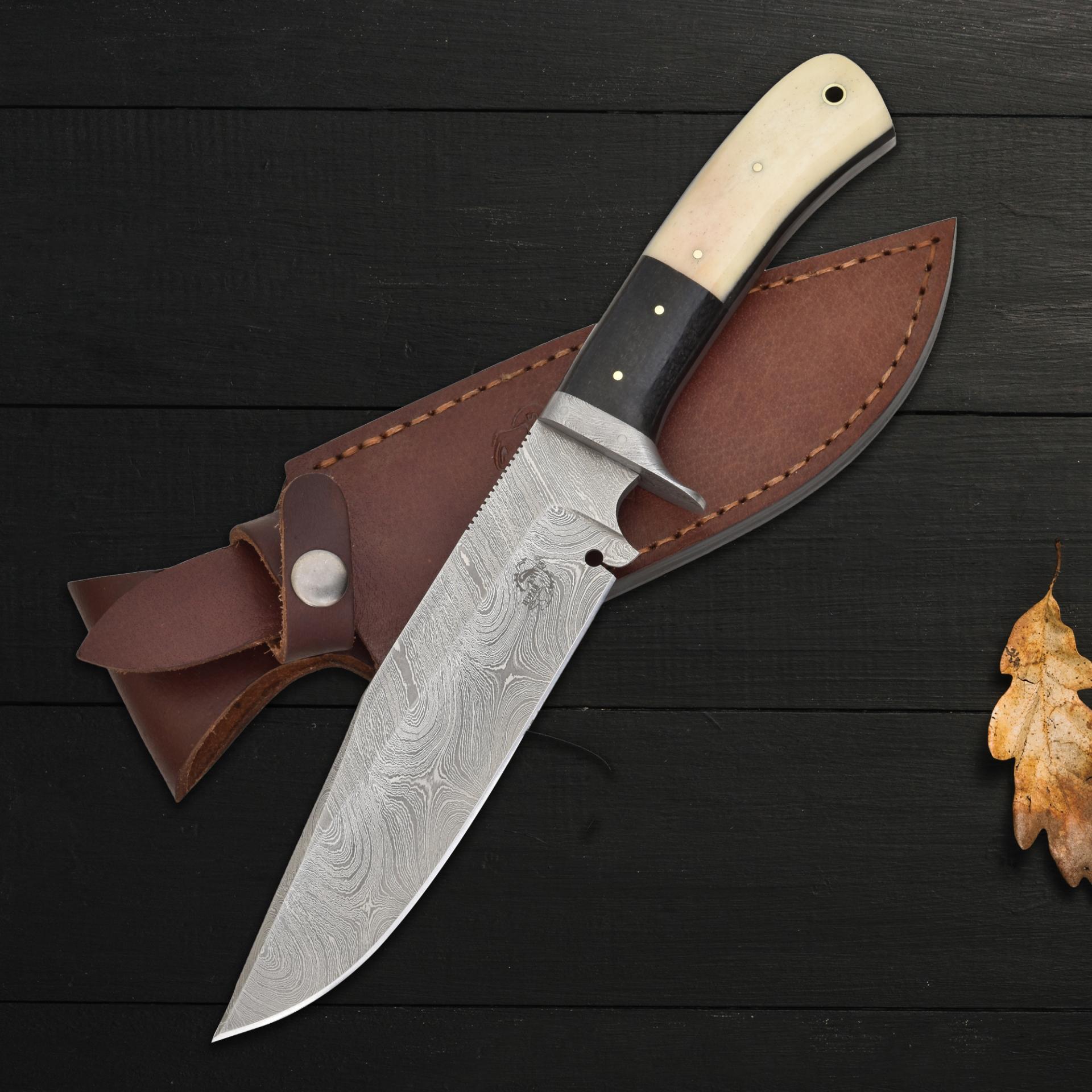
A Complete, Step-by-Step Guide for Razor-Sharp Results
Sharpening a Damascus knife is not difficult, but it does require the right technique and mindset. Damascus steel is designed to take an extremely fine edge, and when sharpened properly, it rewards you with smooth cutting, excellent control, and long-lasting sharpness. When sharpened incorrectly, however, you can damage the edge geometry, reduce edge life, and waste the true potential of the blade.
This guide explains how to sharpen a Damascus knife properly, focusing on technique, tools, and understanding the steel rather than rushing the process.
Understanding the Edge of a Damascus Knife
A Damascus knife edge is supported by layered steels. One layer provides hardness and edge retention, while the supporting layers provide toughness. This structure allows the edge to be sharpened very finely without becoming fragile.
Because of this balance, Damascus knives respond best to controlled sharpening methods. Aggressive or careless sharpening removes too much material and disrupts the edge stability.
The goal is not to grind the edge quickly, but to refine it patiently.
Choosing the Right Sharpening Method
The best way to sharpen a Damascus knife is with whetstones. Stones allow full control over pressure, angle, and material removal. They preserve the blade’s geometry and give the sharpener direct feedback.
Electric sharpeners and pull-through sharpeners are not recommended. These tools remove excessive steel, create uneven edges, and shorten the life of the blade. Damascus knives deserve precision, not shortcuts.
Stropping is also highly effective for maintaining sharpness between full sharpening sessions.
Selecting the Correct Grit Stones
Sharpening is done in stages. Each grit serves a specific purpose.
A medium grit stone is used to restore sharpness when the knife is dull. A finer-grit stone refines and polishes the edge, improving cutting smoothness. Ultra-fine stones enhance edge refinement but are optional for most users.
You do not need many stones. Two quality stones used correctly are better than many stones used poorly.
Setting the Correct Sharpening Angle
Maintaining a consistent angle is more important than choosing a perfect angle. Most Damascus knives perform best with a moderate angle that balances sharpness and durability.
Hold the blade steady and focus on keeping the same angle throughout each stroke. Changing angles mid-stroke creates uneven edges and weak points.
Consistency builds sharpness. Speed does not.
Sharpening Technique and Stroke Control
Start by soaking the stone if required. Place the blade on the stone and begin sharpening using smooth, controlled strokes. Apply light to moderate pressure. Let the stone do the work.
Sharpen both sides evenly. Pay attention to feedback from the blade and stone. When a burr forms along the edge, it indicates that the steel has been properly worked.
Move to a finer grit once the edge is established. Each stage refines what the previous stage created.
Rushing this process is the most common mistake people make.
Refining and Polishing the Edge
Once the edge is sharp, refining improves performance. Lighter pressure and smoother strokes remove microscopic imperfections. This stage improves slicing ability and edge stability.
A refined edge cuts cleaner, feels smoother, and stays sharp longer.
For those who want the best results, stropping after sharpening aligns the edge and removes remaining burrs.
Stropping for Maximum Sharpness
Stropping is one of the best ways to maintain a Damascus knife. A leather strop with compound realigns the edge and enhances sharpness without removing much material.
Regular stropping reduces the need for frequent sharpening and extends edge life significantly.
Many professional knife users rely more on stropping than frequent stone sharpening.
How Often Should You Sharpen a Damascus Knife
Sharpening frequency depends on use. In kitchen use, light maintenance keeps the knife sharp for long periods. Outdoor and hunting use may require more frequent attention.
The key is to sharpen when performance drops, not on a fixed schedule. Over-sharpening shortens blade life.
Damascus knives are forgiving and respond well to maintenance when done properly.
Common Sharpening Mistakes to Avoid
Using too much pressure damages the edge. Inconsistent angles create weak cutting surfaces. Cheap sharpeners remove steel too aggressively. Skipping grits leads to poor refinement.
Avoid these mistakes, and sharpening becomes predictable and rewarding.
Sharpening Knives Ranch Damascus Knives
At Knives Ranch, Damascus knives are heat-treated and ground to support fine edge geometry. This makes them excellent candidates for stone sharpening and stropping.
When sharpened correctly, these knives regain razor-sharp performance quickly and hold that edge through real use. Proper sharpening allows the steel and craftsmanship to perform exactly as intended.
Final Thoughts
Sharpening a Damascus knife properly is about patience, control, and respect for the blade. Use stones, maintain consistent angles, apply light pressure, and refine the edge carefully.
When you sharpen with intention rather than force, a Damascus knife rewards you with exceptional sharpness, smooth cutting, and long-lasting performance. Over time, sharpening becomes less of a task and more of a skill that deepens your connection with the knife.
At Knives Ranch, we don’t just sell knives, we craft tools you can trust.
The Craft Behind Handmade Knives
Handmade knives combine tradition, skill, and performance, delivering tools that are built to last.

Knife industry professional with 20+ years of experience in manufacturing, global markets, and brand development. Founder of Knives Ranch Inc., focused on handcrafted, workhorse knives built to international standards.
Visit Personal Website

