







How Long Do Damascus Knives Stay Sharp?
Real World Edge Retention Explained
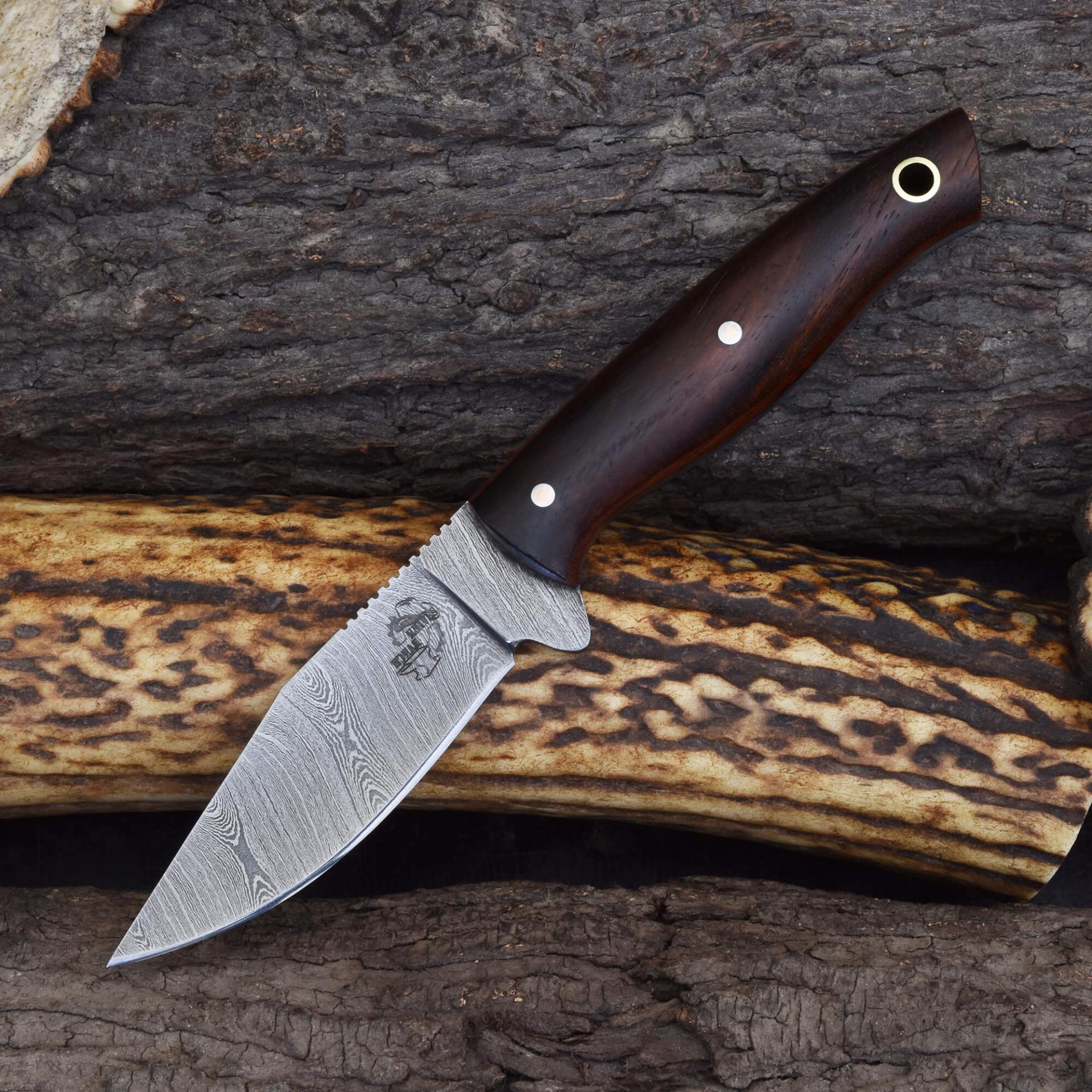
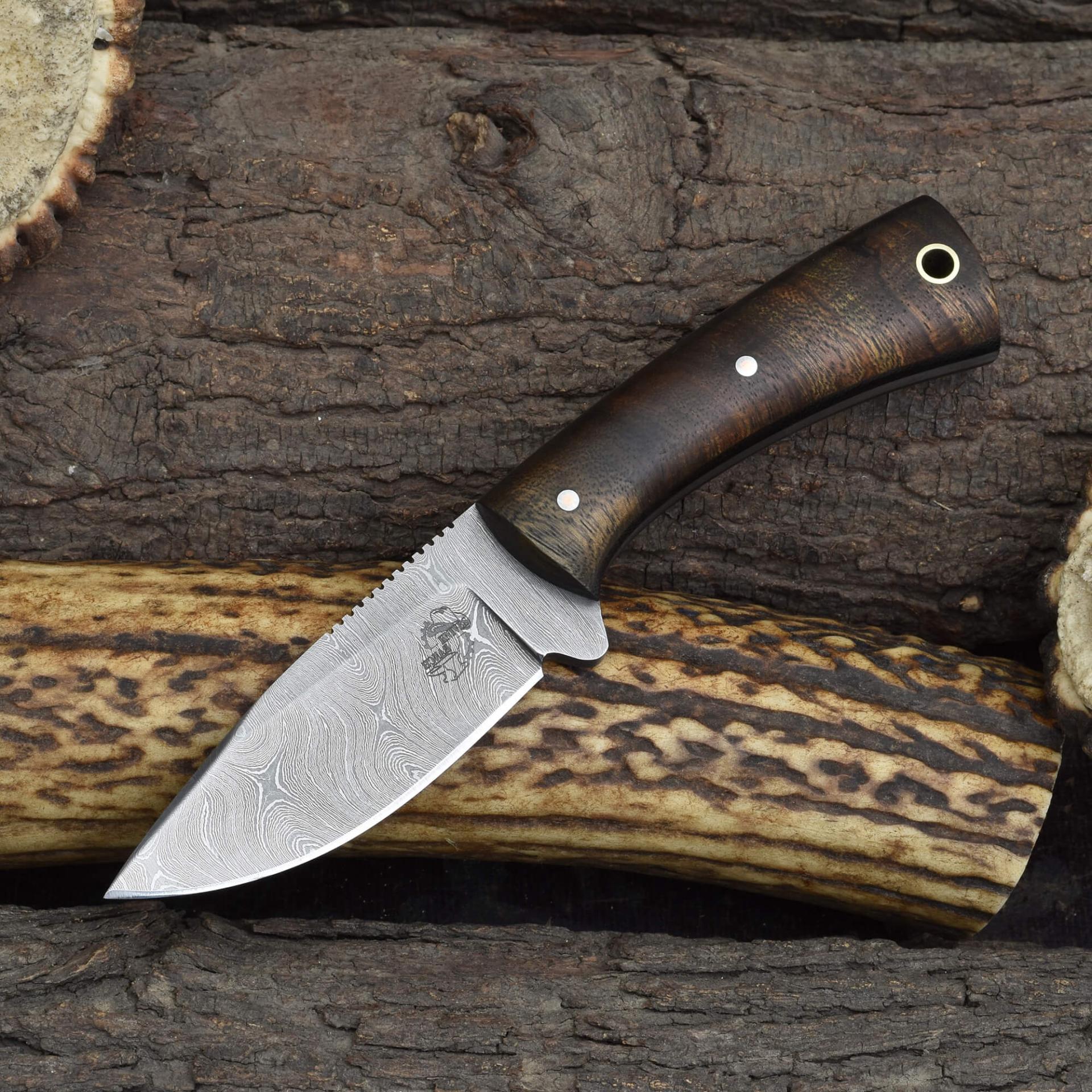
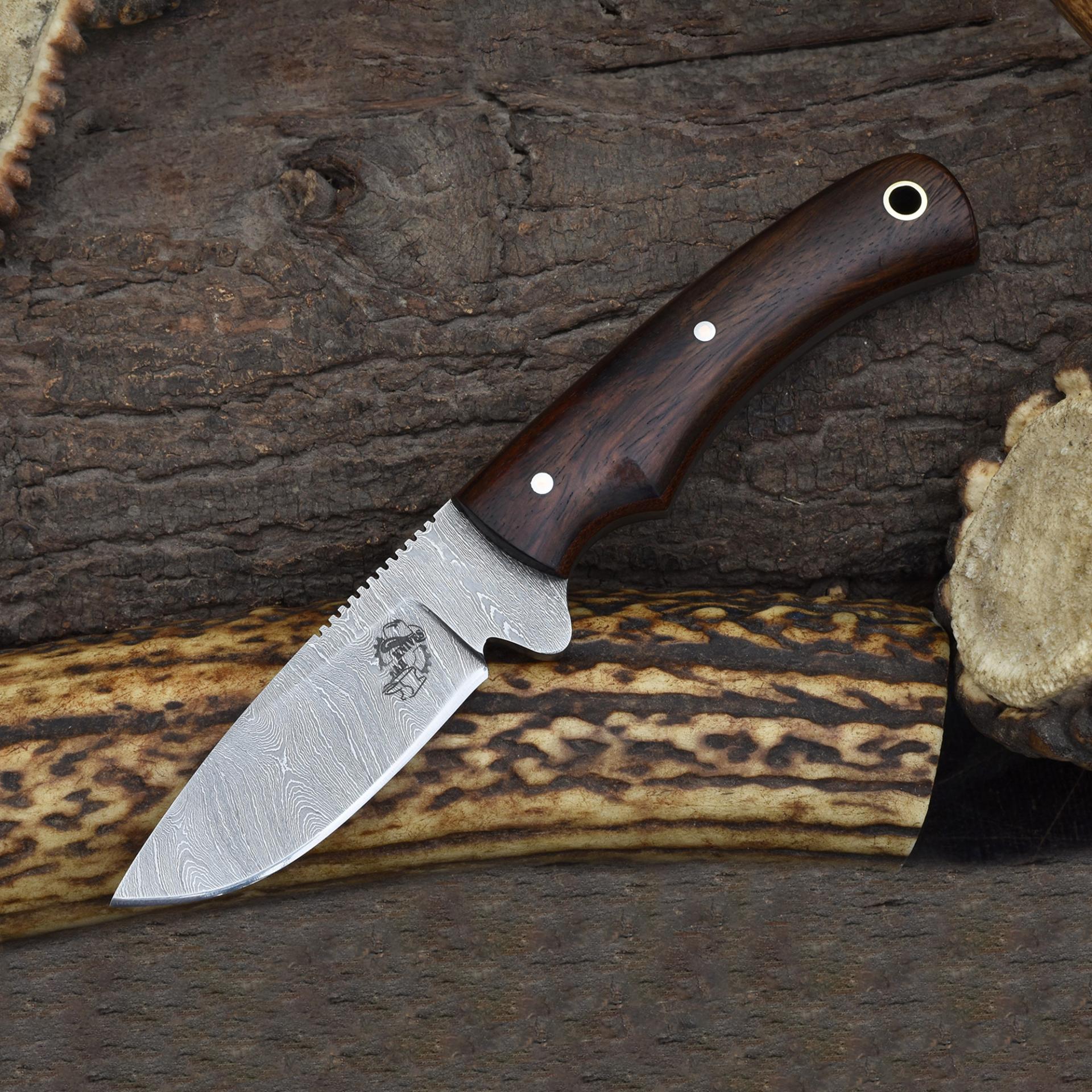
One of the biggest reasons people choose Damascus knives is edge retention. The question is not just whether Damascus knives are sharp, but how long they actually stay sharp during real use. The answer depends on several factors, but when made correctly, Damascus knives stay sharp longer than many standard knives and maintain consistent cutting performance over time.
To understand edge retention in Damascus knives, you need to look at steel composition, heat treatment, edge geometry, and how the knife is used day to day.
Why Damascus Knives Hold an Edge Well
Damascus knives are built from layered steels. Typically, one steel is chosen for hardness and edge retention, while the other provides toughness and flexibility. This structure allows the edge to be hardened to a level that holds sharpness without becoming brittle.
High carbon content in the cutting edge allows the blade to resist wear during cutting. As the edge meets resistance from food, wood, or other materials, the harder steel resists deformation. At the same time, the tougher layers support the edge and reduce micro chipping.
This balance is what allows Damascus knives to stay sharp longer than softer stainless-steel blades.
Edge Retention in Daily Kitchen Use
In kitchen environments, a well-made Damascus knife can stay sharp for weeks or even months with regular home use. Cutting vegetables, meat, and herbs causes minimal wear when the edge is properly hardened and ground.
Professional cooks who use Damascus knives daily may need to touch up the edge more often, but still less frequently than with many mass-produced stainless knives. Light honing or stropping can extend sharpness significantly between full sharpening sessions.
The key is consistent cutting performance. Damascus knives tend to dull gradually rather than suddenly, making them easier to maintain.
Edge Retention in Outdoor and Hunting Use
In hunting and outdoor applications, Damascus knives face much harsher conditions. Skinning game, cutting through connective tissue, and working near bone puts stress on the edge.
Even in these demanding tasks, a quality Damascus knife often completes extended work without losing effectiveness. Hunters frequently report finishing entire field dressing jobs without needing to resharpen.
The layered structure helps distribute stress, reducing the risk of edge damage that would quickly dull a softer blade.
Carbon Damascus vs Stainless Damascus Edge Life
Carbon-based Damascus knives usually offer superior edge retention. Carbon steel is harder and resists wear better than many stainless alloys. This allows carbon Damascus blades to stay sharp longer, especially when used correctly.
Stainless Damascus knives trade a small amount of edge retention for corrosion resistance. They still perform very well, but may require sharpening slightly more often than carbon Damascus blades.
Both types outperform many entry-level stainless knives in long-term sharpness.
What Causes Damascus Knives to Dull Faster
No knife stays sharp forever. Cutting on hard surfaces like glass or stone, improper storage, and poor sharpening techniques all shorten edge life.
Using a Damascus knife on appropriate cutting boards, cleaning it after use, and storing it safely helps preserve sharpness. The better the care, the longer the edge lasts.
Improper heat treatment is another factor. Poorly made Damascus knives dull quickly regardless of steel quality.
How Often Do Damascus Knives Need Sharpening
For most home users, a Damascus knife may only need full sharpening a few times per year. Light maintenance, such as stropping or gentle honing, can keep the edge performing well in between.
Professional users may sharpen more often, but even then, Damascus knives usually require less frequent sharpening than softer steel knives.
The ease of sharpening is also a benefit. Damascus steel responds well to stones, making it easier to restore a keen edge without removing excessive material.
Edge Stability Over Time
One advantage of Damascus knives is how the edge ages. Instead of chipping or rolling suddenly, the edge gradually and predictably loses sharpness. This makes maintenance easier and prevents unexpected performance drops during use.
This stability is a direct result of the layered steel design and proper tempering.
Knives, Ranch, and Edge Retention Standards
At Knives Ranch, edge retention is a core performance requirement. Steel combinations are selected to deliver hardness where it matters and toughness where it counts. Each blade undergoes controlled heat treatment to ensure the edge stays sharp through real use.
The goal is not just initial sharpness, but long-lasting performance that knife users can depend on day after day.
Final Thoughts
Damascus knives stay sharp for a long time when they are made and used correctly. Their layered steel construction allows them to resist wear, maintain edge stability, and deliver consistent cutting performance over extended periods.
With proper care, a quality Damascus knife rewards its owner with long edge life, easy maintenance, and reliable sharpness that stands up to real-world demands.
The Craft Behind Handmade Knives
Handmade knives combine tradition, skill, and performance, delivering tools that are built to last.

Knife industry professional with 20+ years of experience in manufacturing, global markets, and brand development. Founder of Knives Ranch Inc., focused on handcrafted, workhorse knives built to international standards.
Visit Personal Website

