







Damascus Knife Patterns Explained (Complete 2026 Guide)
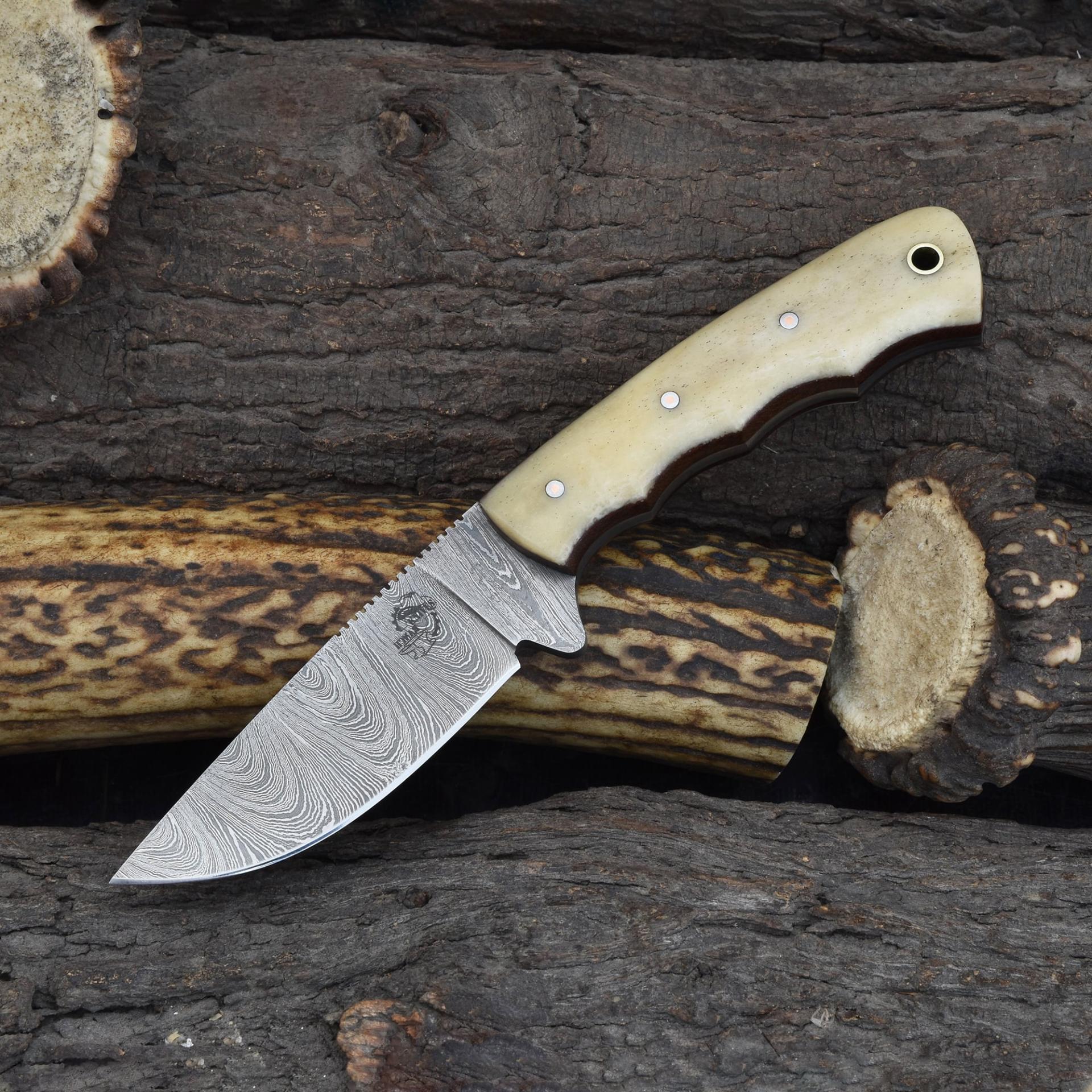
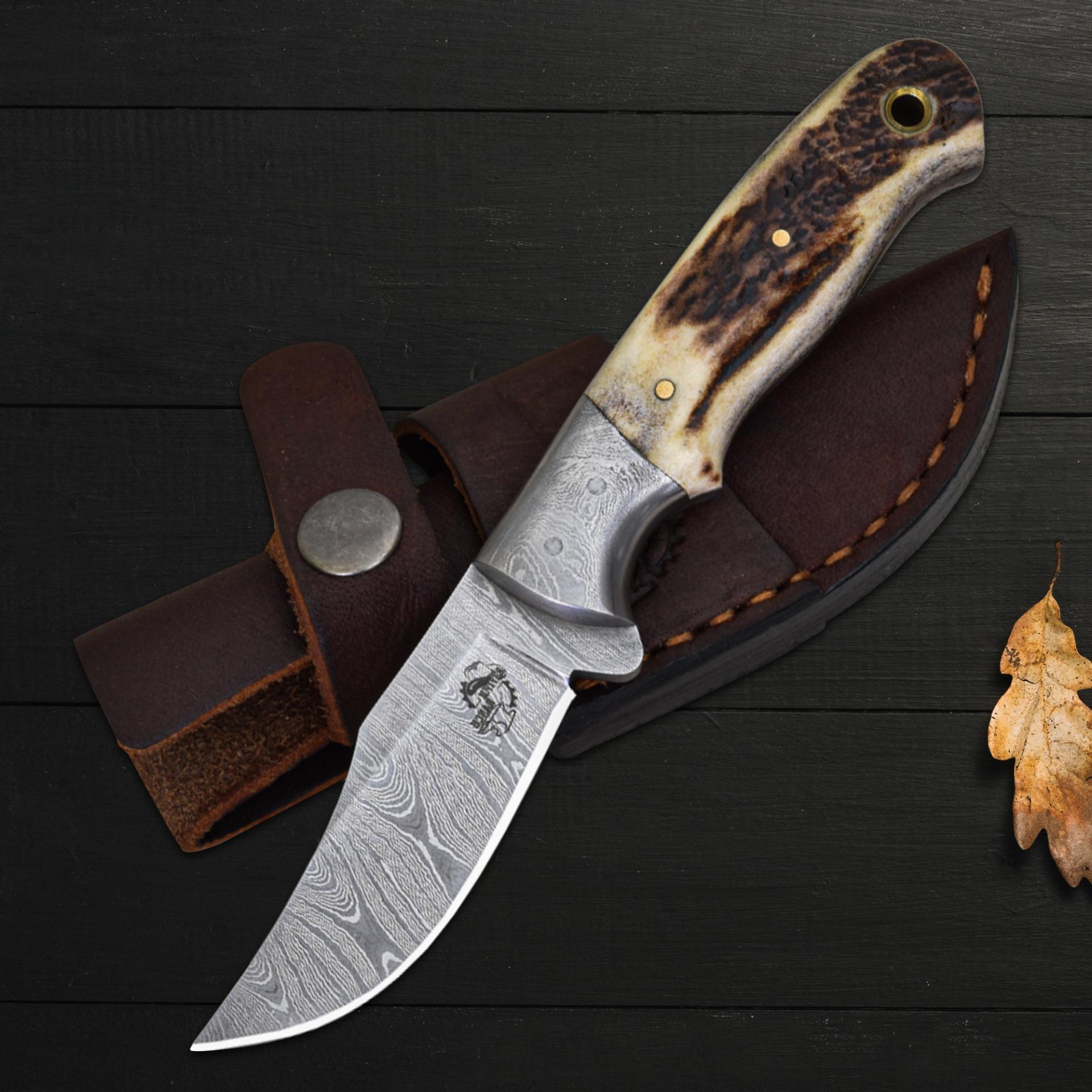
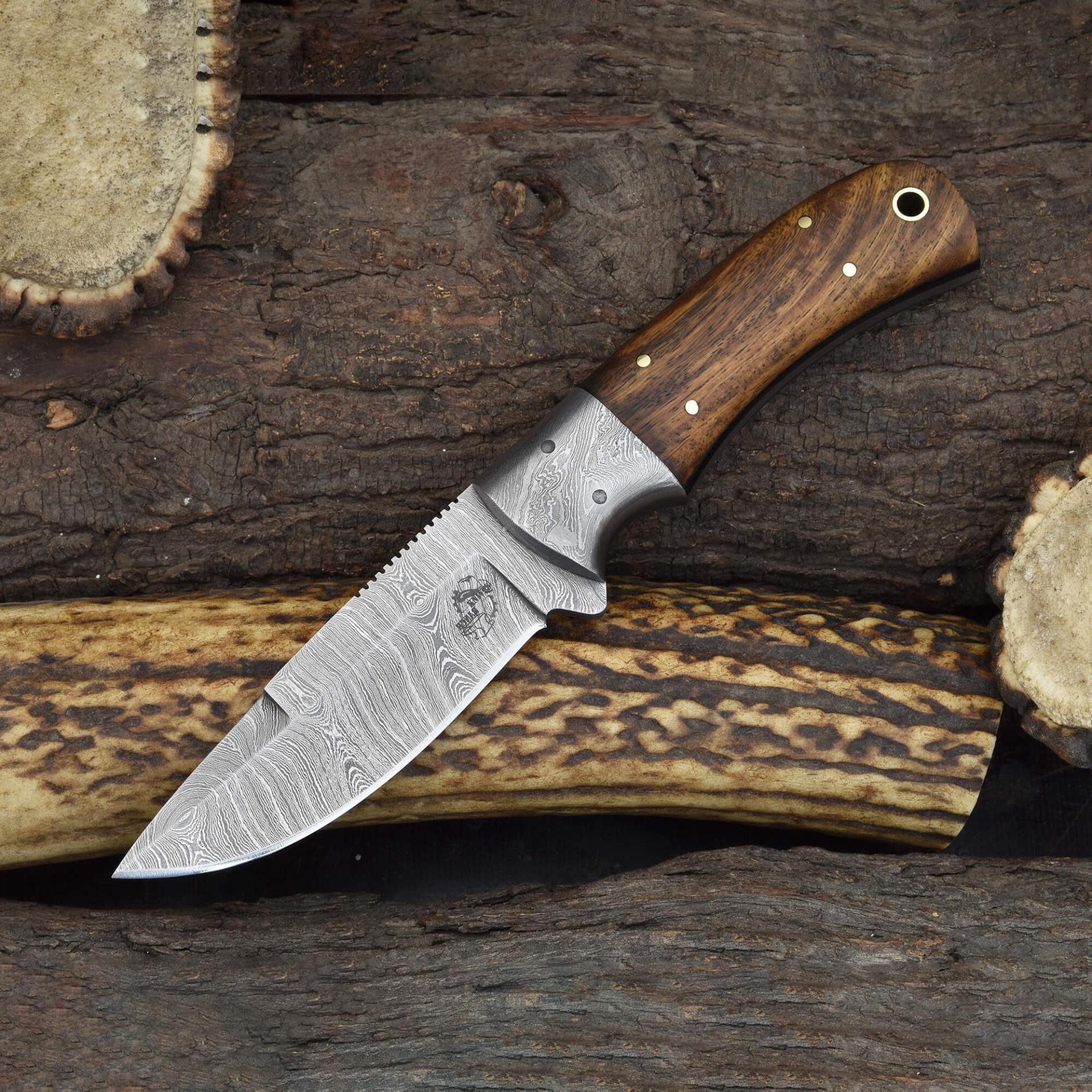
Knives Ranch Classic Damascus Steel Knife with Rosewood Handle and Side Mount Horizontal Sheath
$100.00
View DetailsDamascus knife patterns are one of the biggest reasons people are attracted to these blades, but most buyers only see them as a design. In reality, these patterns are not just visual details; they are the direct result of how the steel is forged, layered, and manipulated during the manufacturing process.
If you truly understand Damascus patterns, you can tell a lot about the knife’s quality, craftsmanship, and even the skill of the maker just by looking at the blade.
What Creates Damascus Patterns
Damascus patterns are formed when two or more types of steel are forge-welded together and then repeatedly folded, twisted, or manipulated. After forging, the blade is acid etched, which reveals the contrast between the different steel layers.
This is why the pattern is not printed or added later. It is physically part of the blade’s structure. The way the steel is handled during forging directly controls how the final pattern looks.
Why Patterns Matter More Than Just Looks
Many people think patterns are purely decorative, but they actually indicate how the blade was made. A well-formed pattern shows controlled forging, proper layering, and attention to detail.
At the same time, it is important to understand that a pattern alone does not guarantee performance. A knife can have a beautiful pattern, but still perform poorly if the steel quality or heat treatment is not done correctly.
So patterns should be seen as a sign of craftsmanship, not the only measure of quality
Common Types of Damascus Patterns
Different forging techniques create different pattern styles. Each one reflects a specific method and level of skill.
Ladder Pattern
The ladder pattern is created by grinding grooves into layered steel and then forging it flat again. This produces a repeating, step-like design across the blade.
It is one of the most recognizable patterns and requires controlled grinding and forging to achieve a clean, consistent look.
Twist Pattern
The twist pattern is formed by twisting the steel billet before forging it into shape. This creates circular or spiral-like designs that run along the blade.
Each twist pattern is slightly different, which makes every knife unique. It reflects both technique and precision during the forging stage.
Raindrop Pattern
The raindrop pattern is created by drilling or pressing indentations into the steel and then forging it smooth. This results in round, droplet-like shapes scattered across the blade.
This pattern requires careful planning because the spacing and depth of the impressions directly affect the final design.
Random or Natural Pattern
Some Damascus knives feature a more organic, flowing pattern without a strict design. This happens when the steel is layered and forged without heavy manipulation.
These patterns often look more natural and less repetitive, which many collectors and users prefer because they highlight the raw beauty of Damascus steel.
Mosaic Damascus
Mosaic Damascus is one of the most advanced forms of pattern creation. It involves assembling multiple patterned pieces together to create complex and often symbolic designs.
This type of Damascus requires a very high level of skill and is usually found in premium or custom knives.
How to Read a Damascus Pattern Like an Expert
Once you understand the basics, you can start analyzing patterns more deeply.
Look for flow and continuity rather than perfect repetition. Natural variation is a good sign of real forging. Patterns that look too uniform may indicate machine work or surface etching.
Check how the pattern transitions across the blade. In real Damascus, the design should feel integrated into the steel rather than sitting on top of it.
Also consider the depth of the pattern. Real Damascus has a subtle layered look, while fake patterns often appear flat.
Patterns vs Performance Reality
A common mistake buyers make is assuming that a more complex pattern means a better knife. In reality, performance depends on steel quality and heat treatment, not just pattern design.
However, creating clean and controlled patterns does require skill, which often reflects the overall quality of the knife.
So while patterns are not everything, they are still an important indicator when combined with other factors.
Knives Ranch Approach to Damascus Patterns
At Knives Ranch, patterns are not treated as decoration alone. Each knife is forged with real layered steel, and the pattern is developed through controlled techniques that reflect true craftsmanship.
The focus is on creating blades in which the pattern reflects the steel's structure, not just a surface design. This ensures that the knife delivers both visual appeal and real performance.
Final Verdict
Damascus knife patterns are more than just beautiful designs. They are a direct reflection of the forging process, the maker's skill, and the blade's structure.
Understanding these patterns helps you move beyond appearance and evaluate a knife on a deeper level. It allows you to identify real craftsmanship and avoid being misled by surface-level designs.
Knives Ranch delivers authentic Damascus knives where each pattern is the result of real forging, ensuring that every blade combines beauty with performance and long-term durability
The Craft Behind Handmade Knives
Handmade knives combine tradition, skill, and performance, delivering tools that are built to last.

Knife industry professional with 20+ years of experience in manufacturing, global markets, and brand development. Founder of Knives Ranch Inc., focused on handcrafted, workhorse knives built to international standards.
Visit Personal Website

